
Hello! I'm Ashar Mahmood, a 23-year-old cybersecurity researcher who loves diving deep into access control flaws and broken authentication mechanisms. In this post, I'll walk you through a critical Authorization Bypass vulnerability I discovered on example.com, which allowed me to gain unauthorized access to their intranet portal, escalate privileges, and even perform full CRUD operations on sensitive organization data — all without having intranet permissions.

The Discovery!
I was exploring the platform's extranet portal at: https://extranet.penetest.target.com, which allows standard users to register and log in. , I noticed the presence of an intranet environment by manual recon. Curiosity piqued, I tried visiting an intranet endpoint like: https://intranet.pentest.target.com in my logged in session.
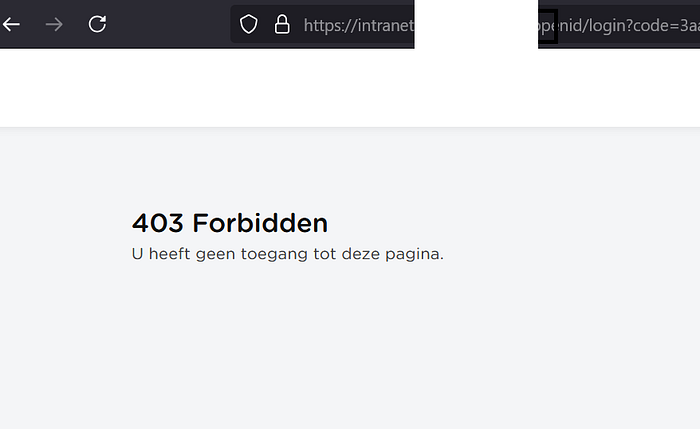
As expected, I was greeted with a 403 Forbidden error — my test user clearly had no permissions here. But something told me there might be a deeper misconfiguration at play…
The Breakthrough!
I decided to test whether the system was strictly enforcing access based on roles or merely cookie/session-bound logic. Firstly I tried the basic 403 Bypass tricks, which as expected gave me no results.

Then I checked my HTTP history, and to my surprise, I noticed that every time I visited https://intranet.example.com while logged in, the PHPSESSID was being replaced — it was different from the one used on the extranet portal. This made it clear that the session ID (PHPSESSID) alone was being used to verify access to the intranet.
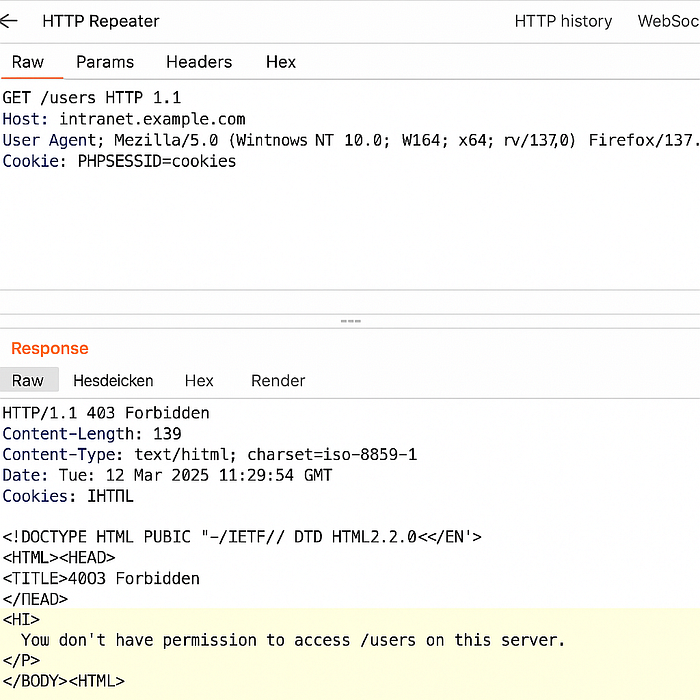
My hacking instincts kicked in, and I immediately attempted to replace the "Intranet portal's" PHPSESSID with the one from the "Extranet portal" by intercepting and modifying the request. To my surprise, the server responded with a 200 OK — and just like that, the Intranet UI loaded right in front of me.
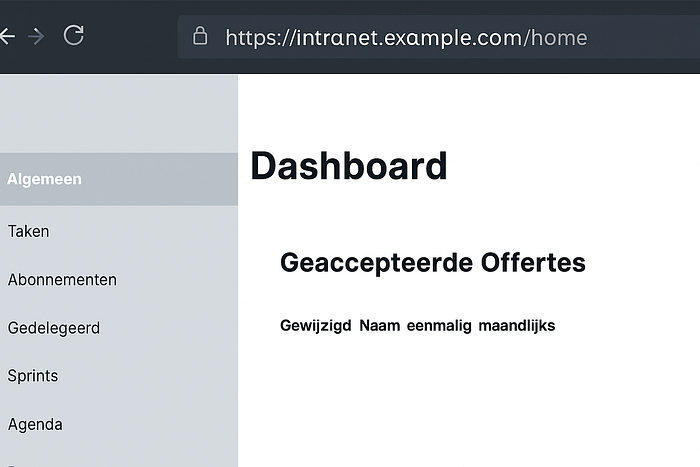
I immediately :
- Opened Burp Suite > Match & Replace settings, and added a rule to:
- Match: PHPSESSID from the intranet portal
- Replace: PHPSESSID from the extranet session
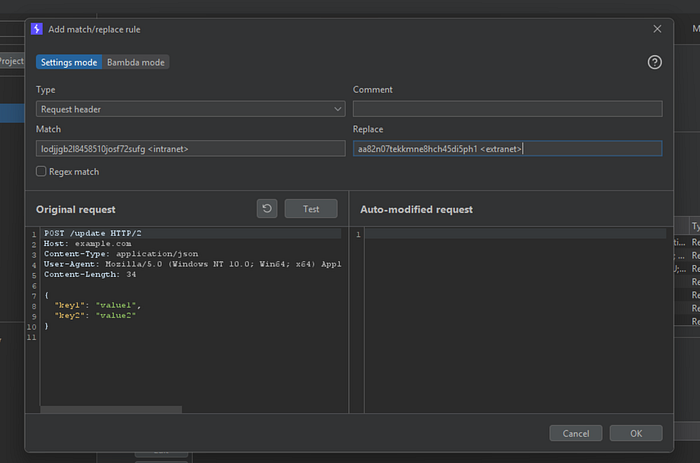
Boom! I had successfully bypassed the 403 restriction. I now had full access to the intranet portal.

🔓 What Could I Do?
Once inside the intranet, I realized just how deep this rabbit hole went. Here's what I could do:
1. 🧑💼 Access Sensitive User Data
Endpoint:
https://intranet.example.com/usersI could view/edit a full list of internal user profiles — including names, email addresses, roles (like SECURITY, FINANCE, PROJECTMANAGER, etc.), and contact information.
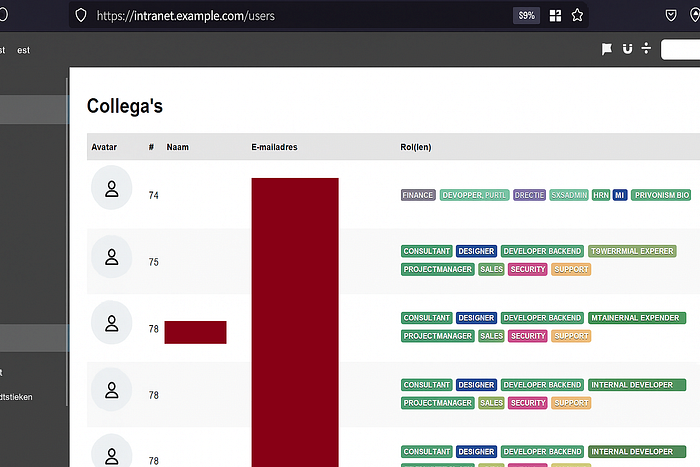
2. 🏢 Add New Organizations
Endpoint:
https://intranet.example.com/crmorganisatie/newI was able to create entirely new organization entries within the CRM — filling out all fields and setting ownership to my advantage.
3. ✏️ Edit Existing Organizations
Endpoint:
https://intranet.example.com/crmorganisatie/edit?id=XYZThis allowed me to modify any organization's data — including changing critical fields or transferring ownership, which could lock out the actual organization owner.
4. 🗑️ Delete Organizations
Endpoint:
https://intranet.example.com/crmorganisatie/delete?id=XYZI could delete any organization record from the CRM — and shockingly, no confirmation or validation was required.
🔥 Impact
This wasn't just a minor access issue — this was total intranet compromise.
- Confidentiality: (C:H) — Access to sensitive internal user and organization data.
- Integrity: (I:H) — Ability to alter or delete organizational records and ownership.
- Availability: (A:H) — Deletion of organizations could lead to service disruption.
- Privilege Escalation: (PR:L) — A low-privilege external user could act as an internal administrator.
Reflection
Uncovering this vulnerability taught me how critical it is to challenge assumptions. A simple cookie swap — something most would overlook — ended up unlocking access to a full internal intranet. It reinforced how important it is to test both obvious and non-obvious trust boundaries in web applications.
Key Learning
Always analyze session management with a critical eye. Even small inconsistencies between platforms (like intranet vs extranet) can lead to major authorization flaws. Watch cookies, tokens, and headers closely — the smallest detail could be your biggest lead.

Like & drop a comment if you found this helpful — happy to answer any questions! Follow for more like this one.
🔗 For More, Follow Me:
- LinkedIn: asharmahmood
- Twitter (X): @Hx_0p
- Website: asharmahmood.com